Closing Gift Studio · buyer guide
Shipping a gift before buyers move in
For Closing Gift Studio worldwide orders, a gift addressed to a newly purchased home can arrive before anyone can take responsibility for it. Start by confirming a receiving person, an approved destination and an acceptable delivery window. The property printed on the gift does not have to be the shipping destination.
Reviewed 2026-09-05 · AI-assisted editorial review. General buying guidance; illustrative scenarios are not customer case studies. Images are AI-generated concepts.
An agreed agent office, temporary residence or later handoff may fit the move better.
Treat expected possession and actual receiving availability as separate facts. A closing appointment on the calendar does not tell the coordinator when the buyer will be on site, whether a building desk will accept a parcel or where an oversized package can be held. Ask the relationship owner to resolve these details before turning a desired surprise into an unattended delivery.
How do you separate artwork readiness from address readiness?
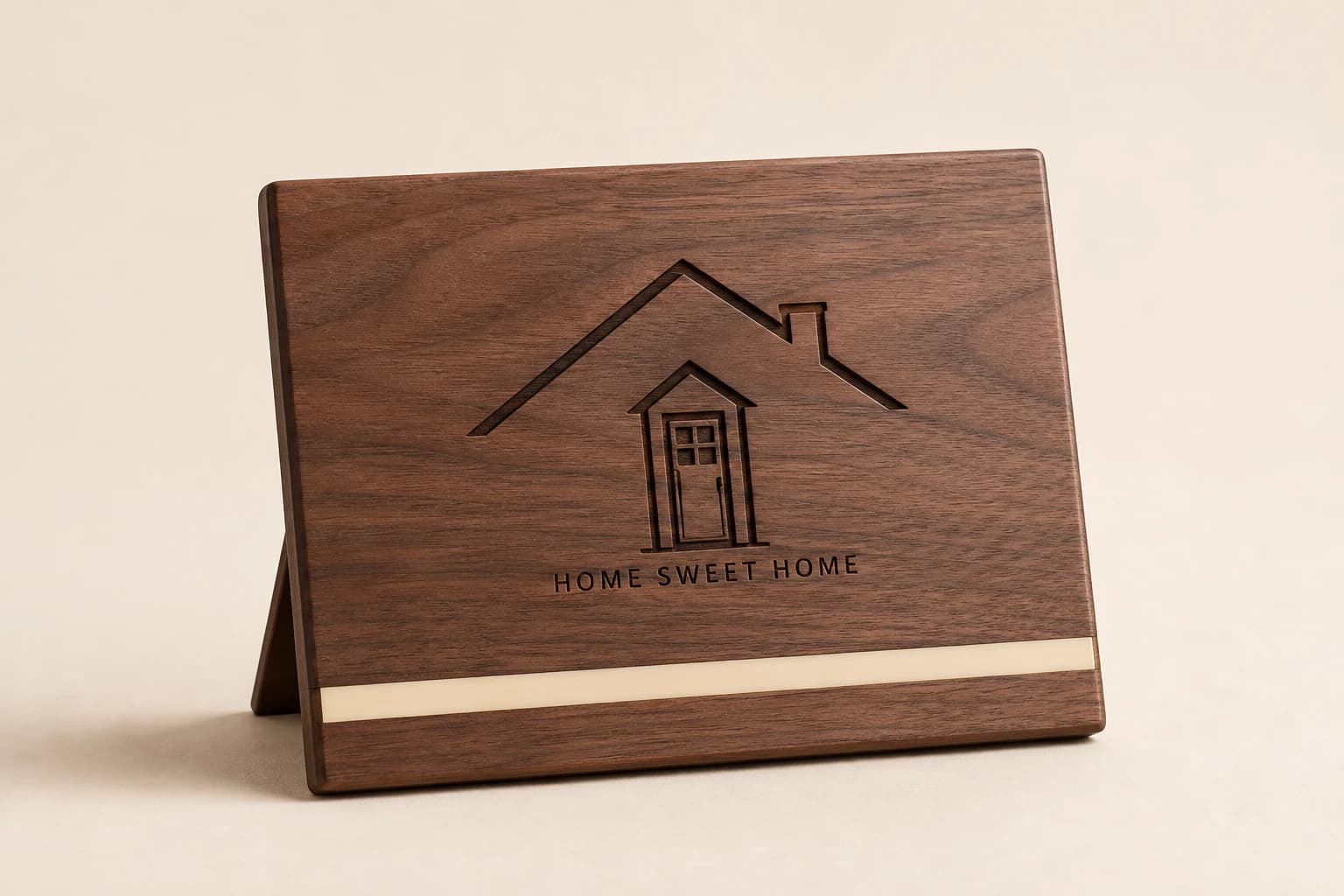
The home image and congratulatory wording may be ready while the delivery arrangement remains undecided. Label those two statuses independently. You can request a scoped artwork proposal using an authorized photograph without treating an unconfirmed new-home address as permission to dispatch. Ask the maker which stages can be held and what costs or scheduling consequences apply.
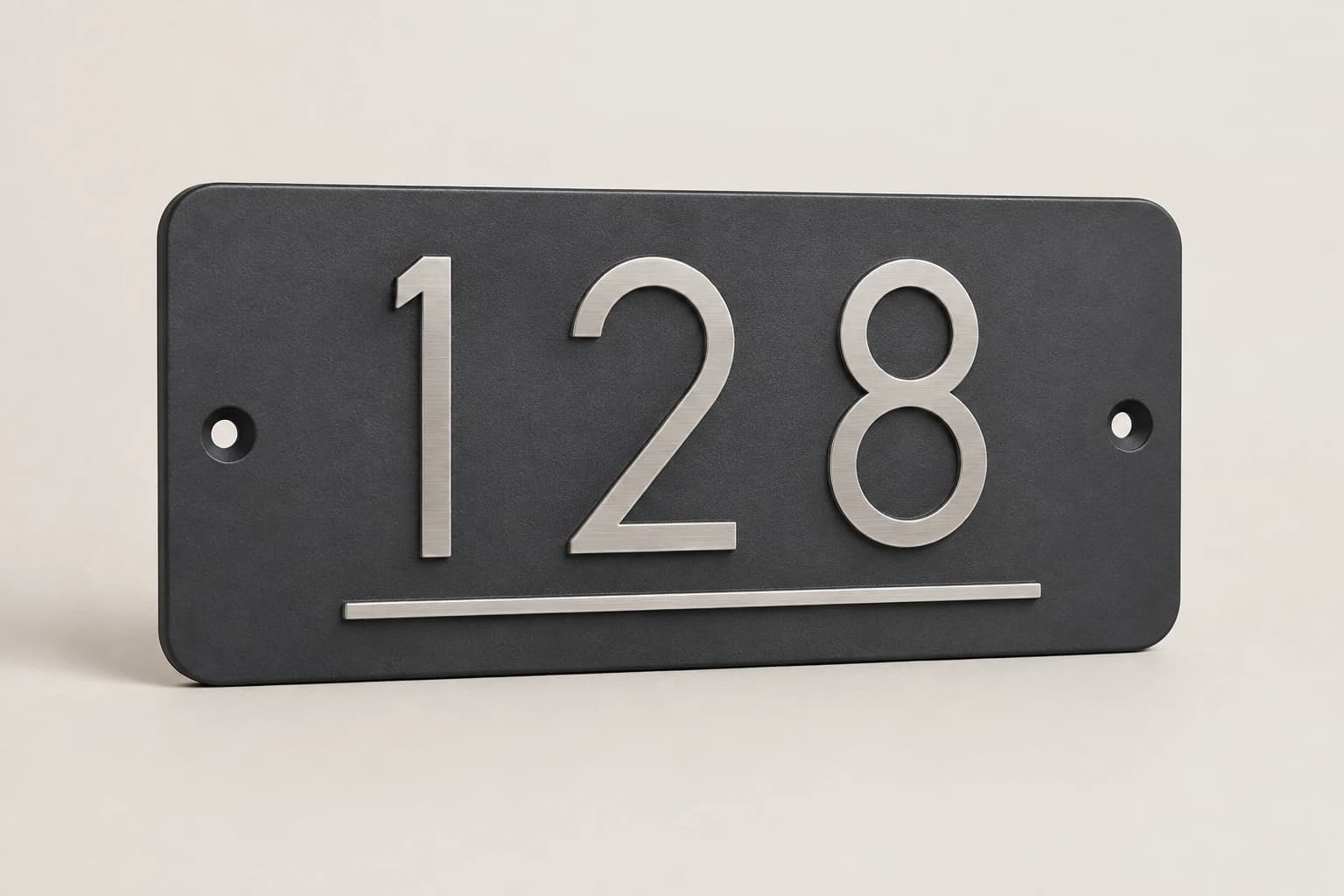
Avoid placing tentative move-in information on permanent artwork merely because it appears in the delivery notes. A shipping contact, apartment access instruction or temporary telephone number belongs in fulfillment data. If the gift includes a date, have the client relationship owner confirm what the date represents. Keep the proof reviewer focused on the object and the shipping reviewer focused on successful receipt.

How do you ask about the receiving location directly?
Describe the proposed parcel to the intended receiver once dimensions and handling needs are known. Confirm the address format, recipient name, receiving hours and any location-specific acceptance restrictions through that contact. Do not infer a front desk's policy from the fact that the property is a condominium or hotel.
If a destination cannot accept the proposed piece, change the arrangement before dispatch.
For delivery across borders, obtain a current carrier proposal and clarify who handles any destination requirements or charges. The planning tool does not model customs or guarantee transit. Preserve a route for contacting the buyer without printing private details on public artwork. A designated coordinator should own changes so the maker does not receive conflicting destinations from several people.
If the receiver is a building employee, ask the buyer to confirm the arrangement through the building rather than publishing access codes in a design file. Record only the delivery instruction the carrier actually needs. For a gift requiring a scheduled appointment, obtain that appointment separately from the artwork approval and make its owner clear in the handoff notes.
Illustrative example: How do you work backward from an October 30 receiving date?
Imagine a fictional receiver who has agreed to accept a gift on Friday, October 30, 2026. For this arithmetic exercise only, enter two business days for receiving contingency, three for transit, five for production and two for proof review. These are invented allowances, not a quoted manufacturing or carrier service.
Counting backward while skipping weekends puts the contingency start on Wednesday, October 28. Three more business days puts dispatch on Friday, October 23. Five more puts production start on Friday, October 16. Two more puts the beginning of proof review on Wednesday, October 14. The worksheet records those assumptions and leaves the actual commitment fields on HOLD.
A holiday, carrier cutoff, customs issue or unavailable production slot can invalidate this simple schedule. Replace the allowances with current written information and review the resulting dates with the responsible contacts. The desired arrival date is useful only when the receiver will actually be available; moving the date later may be a better solution than compressing every stage.

How do you plan a fallback that still feels intentional?
If the delivery address is unstable, arrange an agreed later presentation and explain the gift thoughtfully. A personal note at closing can accompany the promise of a commissioned piece without asserting that an unapproved design is already complete. Confirm the recipient is comfortable with that arrangement and describe the next step accurately.
If the object is already made, ask about available holding or redirection options before assuming either is possible. Identify who approves any additional charge and what current carrier conditions apply. Keep the original artwork reference while changing fulfillment details. A new address does not necessarily mean a new gift, and a returned parcel should not automatically trigger a duplicate order before its condition and location are understood.
Plan the gift around a confirmed receiver
Load the fictional worked example, then replace every assumption with your approved project inputs.
Method: Subtract entered business-day allowances in order: receiving buffer, transit, production and proof. Weekends only are excluded; actual commitments require current confirmation.
Build your plan
Enter durations from a current written quote and carrier service. Weekends are skipped; holidays, customs delays and carrier cutoffs are not modeled. A zero allowance means you explicitly allow no time for that stage.
Use the article’s example files
Fictional example rows show how to separate physical quantities, wording and approval references. Replace them with your project schedule. HOLD and SAMPLE entries are not production instructions.
How do you close the loop on receipt?
Record dispatch confirmation separately from receipt confirmation. A parcel identifier is evidence that a shipment was created or moved through the stated process; it is not the buyer's acknowledgement that the correct personalized object arrived in usable condition. Ask the designated receiver to inspect the contents against the approved reference and report any issue promptly through the agreed channel.
For an agent-office handoff, record who collected the gift or who will present it later. Avoid letting a parcel marked delivered sit indefinitely among office supplies. Once the handoff is complete, retain the limited order information needed for support and follow the team's own process for removing temporary receiving instructions. The gift should leave the move with fewer loose ends, not another unexplained package to track.
How do you create one owner for a changed dispatch instruction?
Choose the person who can authorize a destination change and make that contact visible in the order record. The buyer, agent and office administrator may all have useful information, but parallel messages can create conflicting instructions. Route the final change through one coordinator and ask the maker to acknowledge the accepted destination before assuming the shipment has been redirected.
If the parcel has already entered a carrier network, ask which changes are actually available under the current service. Keep the distinction between requested, accepted and completed redirection. A support message asking for a new address is not evidence that the carrier has applied it. Share the verified status with the intended receiver so they can plan around what is known.
When an intermediary receives the gift, include a simple internal handoff record: object reference, date received, condition review and intended presenter. The record should follow the parcel until the buyer receives it. This avoids a common administrative gap in which the supplier's delivery is complete but the personal presentation has no owner.
Before closing the order, reconcile any unused address labels or superseded instructions in the working files. Preserve what is needed for support while following the team's own handling rules for personal data. A future replacement should begin with a new receiving confirmation; last year's temporary residence should never become the default simply because it remains in an old shipping export.
For a moving household, map three locations if necessary: the home celebrated in the artwork, the place where the buyer can receive a parcel now and the eventual display location. Record them with different labels. A coordinator who sees one address field may otherwise replace the correct property inscription with the temporary shipping address while trying to be helpful.
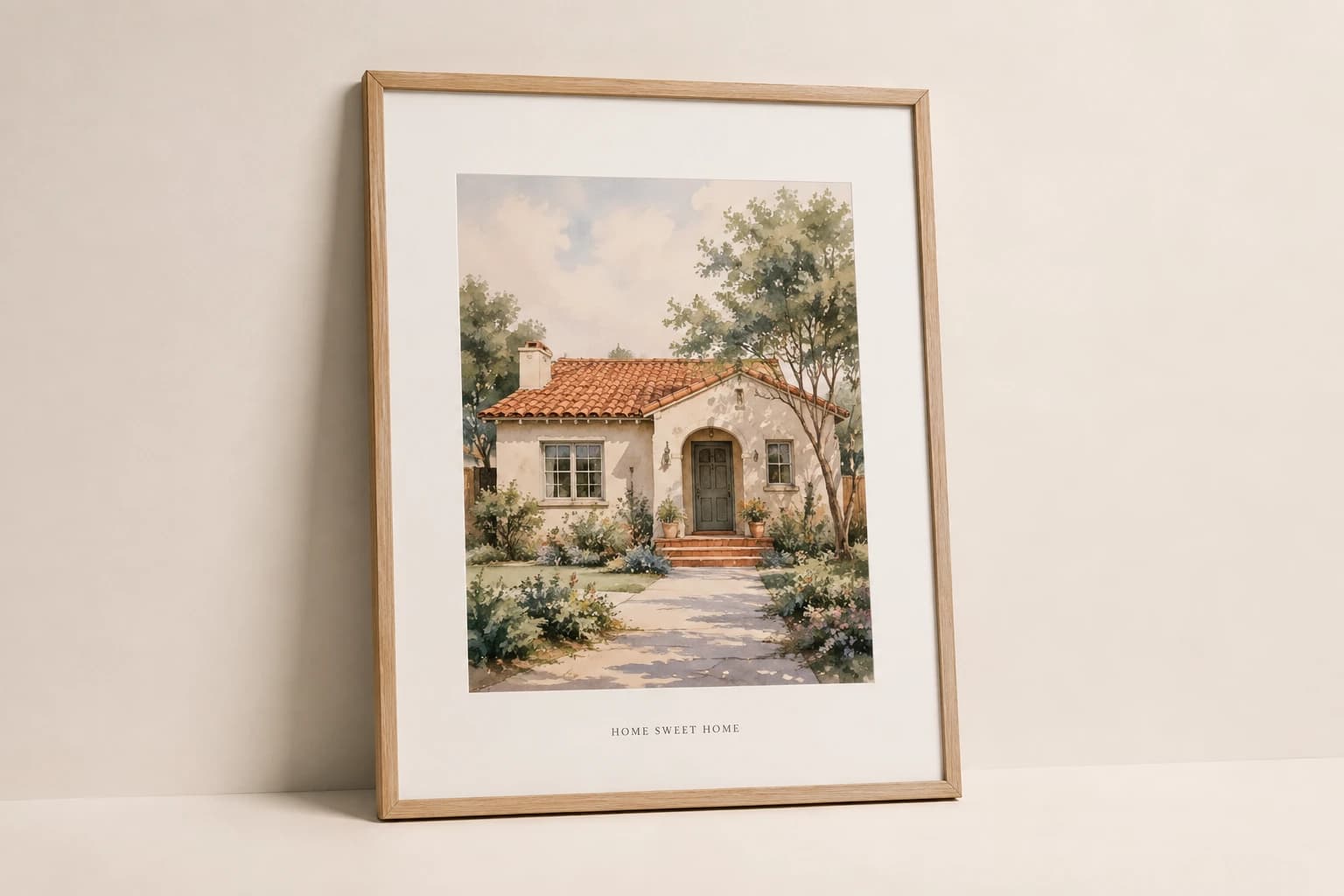
Ask what the receiver will do with the object between receipt and display. A framed piece might remain packed during a move; a larger plaque may need an agreed holding area. Confirm whether the proposed packaging can support that intended handling with the maker. Do not assume presentation packaging is also suitable for repeated transport merely because it looks complete in a product image.
Which option fits this order?
Choose the receiving arrangement that has a confirmed person and an appropriate window for the actual gift. The new home, an authorized intermediary and a later dispatch can each serve different moving circumstances. Compare their complete handoffs and current carrier arrangements before using the property address as the default shipment destination.
| Option | Useful when | Scope to resolve |
|---|---|---|
| Ship to the new home | The buyer confirms occupancy, parcel acceptance and an appropriate receiving window. | Actual address, recipient availability, package needs and current carrier service. The House Portrait offers portraits made from property photographs. |
| Ship to an agreed intermediary | An agent office or other authorized contact can receive and store the piece before presentation. | Holding permission, condition check and named owner of the final handoff. |
| Dispatch after the move | The recipient prefers a settled address and the gift can follow the closing. | New delivery confirmation and a truthful message about artwork and production status. |
Sources: The House Portrait: Realtor Closing Gifts | Personalized House Portraits
What should buyers confirm before ordering?
Pre-move delivery needs a real receiving plan, not only a scheduled closing. Confirm the physical gift, named contact and current transport arrangement before discussing arrival. These answers distinguish destination changes, artwork changes and office handoffs, while the timeline remains an illustrative calculation that excludes holidays and other unmodeled destination conditions.
What affects the cost of shipping before the buyers move?
Closing Gift Studio delivery proposals should identify the actual receiver, destination, physical gift and current carrier service. An intermediary handoff, holding request or later redirection may change the arrangement and cost. Confirm those details in writing; the property address on the artwork and a provisional closing date are not enough to price or authorize delivery.
Can we ship as soon as the closing is scheduled?
Confirm the actual receiving arrangement first. A scheduled transaction does not establish occupancy or parcel acceptance, and permanent personalization may also depend on facts that remain provisional. Ask who will actually accept the parcel and whether the destination can receive its proposed size. Keep any unresolved receiving detail separate from artwork approval so a ready proof does not trigger premature dispatch.
Does the timeline tool include holidays?
No. This example counts entered business days by skipping weekends only. Review holidays, closures, customs, cutoffs and production availability separately using current project information. Replace the invented allowances with current written production and carrier information. The resulting dates still need a review against the named receiver’s availability and the actual destination conditions before they become a practical plan.
Should a delivery-address change alter the inscription?
Only if the approved visible wording also changes. Keep the property being celebrated separate from the fulfillment destination and issue a new proof only for affected artwork. Use different fields for the home celebrated and the parcel destination. A temporary residence should not replace the property address in a portrait merely because a coordinator updates the shipping instructions.
Who should inspect a gift sent to the agent’s office?
Name the office contact responsible for checking the correct object and approved personalization before the later buyer handoff. Record that next presenter or collector separately. A parcel accepted by reception can still remain unpresented, so the delivery record should explain who owns the gift’s next step after the supplier shipment ends.
Sources and scope
The sources below support the cited technical details. The ordering workflows are editorial recommendations. Your project specification, price and schedule are established in the written quote and approved proof.
- The House Portrait: Realtor Closing Gifts | Personalized House Portraits · checked 2026-09-05
Which buying guide should you read next?
All buying guidesSet the gifting unit explicitly so co-buyers, multiple households and separate personal keepsakes receive the intended number of gifts.
Keep an uncertain closing date out of released engraving until its meaning and final value are approved, or choose wording that does not depend on that date.